

Champagne

We live in a virtual world where everyone wants to be a star, including wine.
It is not the price that justifies quality. It is the pleasure that justifies the price.
Champagne Lavergne François Blanc de Noirs
François joined forces with distant cousins Dauvergne to produce an exceptional Champagne. François s'est associé à des cousins éloignés pour produire un champagne d'exception.
Dosage 8g/L. 100% Pinot Noir. Champagne Grand Cru Bouzy.
Vieillissement : 36 mois en bouteille sur lattes. This Champagne was aged on the lees for 36 months. Available only by allocation.
François a commencé sa carrière en Californie comme assistant winemaker en réalisant en tant qu'ingénieur Grande École un Diplôme d’Études et de Recherche pour l’Université de Bourgogne sur la fertilité du chardonnay et du pinot noir avec Roger Bessis comme maître de thèse. Il part ensuite à Tokyo pour développer Le Cordon Bleu au Japon et ses activités en Asie et Australie. De retour en France, il s’intéresse à la promotion du saké et devient l’un des professeurs des premiers cours de Saké Sommeliers à Londres en 2010. Élu en 2015 premier meilleur Ambassadeur du saké sous la présidence de Gérard Basset président des Master Sommeliers, Master of Wine et Meilleur Sommelier du Monde, il se consacre ensuite à son premier champagne lancé en 2010. Il lance aujourd’hui un champagne exclusif qui lui ressemble encore plus au service des plus grandes tables et plus fins palais du monde.
François began his career in California as an assistant winemaker, while completing a doctoral thesis at the University of Burgundy on the fertility of Chardonnay and Pinot Noir. He then moved to Tokyo, where he played a key role in developing Le Cordon Bleu in Japan and expanding its activities across Asia and Australia. Upon returning to France, François turned his attention to the promotion of sake, becoming one of the first instructors of the Saké Sommelier courses, in London, 2010. In 2015, he was honored, in London again, as the first Best Sake Ambassador, under the presidency of Gérard Basset, President of the Master Sommeliers, Master of Wine, and Best Sommelier of the World. Following this international recognition, he focused on his first champagne, launched in 2010. Today, François unveils an exclusive new cuvée, a true reflection of his vision and personality, crafted for the world’s finest tables and the most discerning palates.

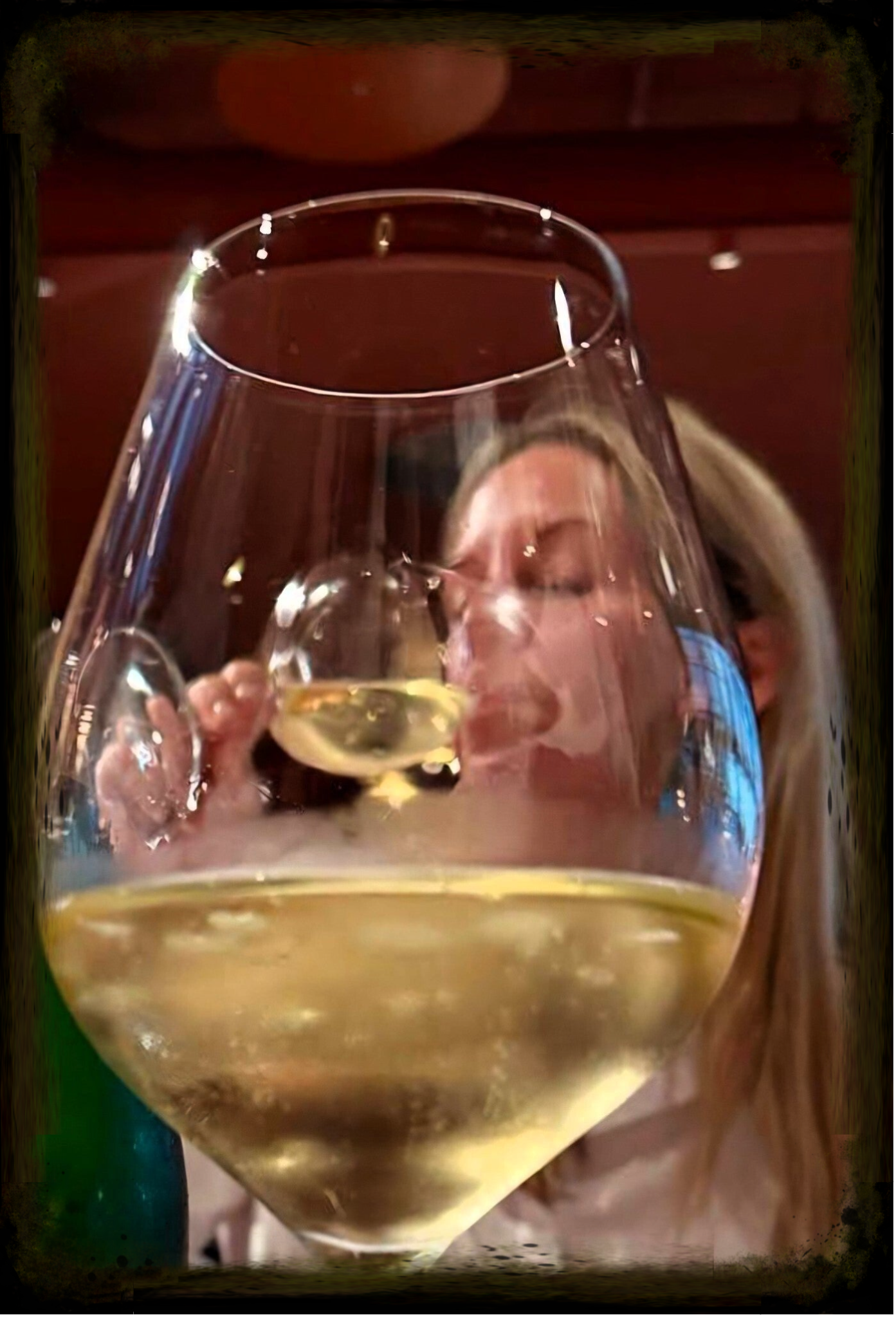
Champagne Lavergne

FRANCOIS LAVERGNE
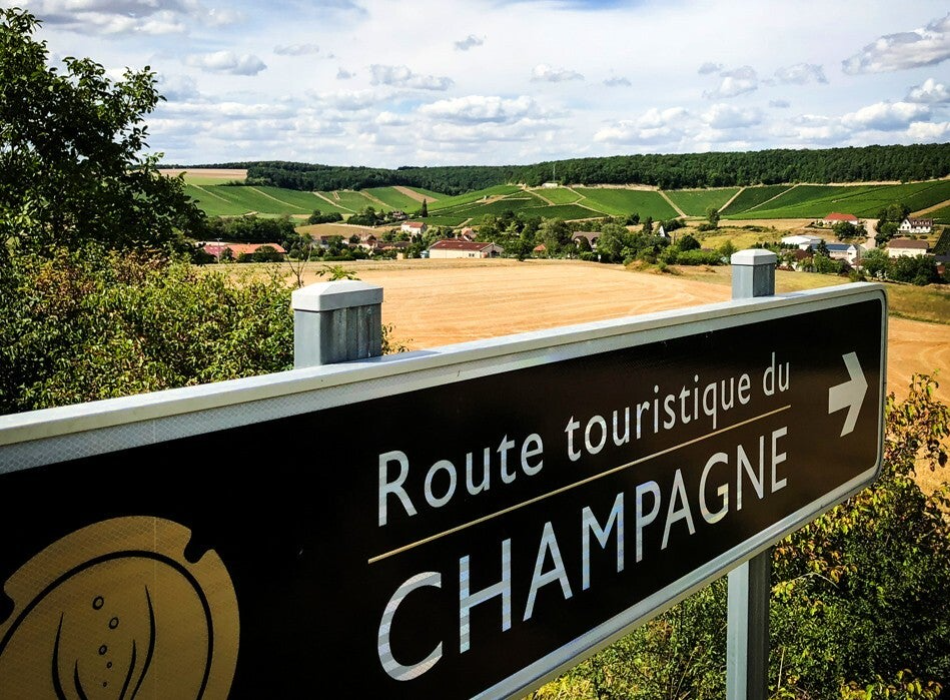
François Lavergne's story is anything but ordinary. After training to become an oenologist, he went to Tokyo to open the third international Le Cordon Bleu cooking school. After falling in love with sake and Japanese culture, he turned his hand to developing his own unique Champagne house. His champagne is sourced from the south-facing vineyards surrounding the hamlet of Talus-Saint-Prix, which is located at the southernmost end of the Côte des Blancs. This is anything but 'house'. It reflects the region's originality, cultural expressions, heritage, terroir and artistry, as well as a bold personal vision that sets it apart from traditional Champagne houses.

Lavergne: An ancient knighthood
The Lavergne family is historically affiliated with the village of Lavergne in the Haut-Quercy region, situated approximately nine kilometres from Rocamadour, a locality first attested in documentary sources circa 922. Subsequent genealogical traditions trace the family’s origins to the viscountal house of Saint-Cirq (Saint-Cirq-Lapopie), designating Lavergne as its principal branch. According to these accounts, the family established itself at Lavergne in the tenth century, adopting the toponym as a surname. The name derives from the Gallo-Roman verna and Old French vergne, both denoting the alder tree. By the eleventh and twelfth centuries, members of the lineage are recorded as lords of the seigneury of Lavergne, exercising diverse feudal prerogatives and holding extensive estates in the surrounding region, notably at Padirac, Loubressac, and Autoire—villages now distinguished among the “Most Beautiful Villages of France” for their exceptional architectural and historical heritage.
🇯🇵🎌
シャンパーニュ・ラヴェルニュ
2010年、ワイン醸造家フランソワ・ラヴェルニュ(François Lavergne)によって設立された「シャンパーニュ・ラヴェルニュ」は、コート・デ・ブラン地区のタリュ=サン=プリ(Talus-Saint-Prix)というテロワールの恵みを存分に生かした、卓越したクラフト・シャンパーニュです。
代表作である「ラヴェルニュ・ブリュット」は、世界中で高い評価を受けており、ロンドンのアサヒ社が取り扱う唯一のシャンパーニュ生産者としても知られています。
さらに、雑誌『Taste of France』によって「知られざる優れたシャンパーニュ・ベスト3」に選出されています。
このシャンパーニュは、繊細な泡立ち、ミネラル感、果実味、そしてブリオッシュの香りが見事に調和した、エレガントな一本です。
ジャンシス・ロビンソンによる評価は16/20点(ロゼも同評価 )
です。2018年 Glass of Bubbly London「World’s Finest Champagne & Sparkling Wine」で金賞受賞。
2020年 Slow Food International Taste Awards(イタリア)で金賞受賞、スピリッツ&ワイン部門で92/100点を獲得。
ラヴェルニュ:古来の騎士家門
ラヴェルニュ家は、歴史的にロカマドゥールから約9キロメートルに位置するオート=ケルシー地方のラヴェルニュ村と深く結びついている。この地名は922年頃の文献に初めて確認されている。その後の系譜学的伝承によれば、同家の起源はサン=シル=ラポピーの子爵家に遡り、ラヴェルニュ家はその主要な分家とされている。記録によれば、一族は10世紀にラヴェルニュに居を構え、地名を姓として採用したとされる。この名称はガロ=ローマ時代の verna および古フランス語の vergne に由来し、いずれもハンノキを意味する。
11世紀から12世紀にかけて、この家系の構成員はラヴェルニュ領主として記録され、さまざまな封建的特権を行使していた。また、周辺地域、特にパディラック、ルブレサック、そして卓越した建築・歴史的遺産によって「フランスの最も美しい村」とされるオートワールに広大な領地を所有していた。
Troubadour London

Je parle de vin parce qu’il permet de détruire ces murs construits sur le mensonge
Vin : en grec, οἶνος (oînos) pour œno ; en latin, vinum, en allemand, wein, en anglais par conséquence wine ; gestin en sumérien. Prononcez comme Justin (Bieber). C’est l’un des plus anciens mots connus pour désigner le vin. En écriture cunéiforme, il est attesté dès le IIIᵉ millénaire av. J.-C. et littéralement signifie « jus de raisin fermenté ». Nous devons aux Sumériens l'écriture vers 3500-3000 av. J.-C. et notre conception du monde divin et du vin ainsi que les premières cités.
Champagne : vient du vieux françois campaign qui donna campagne. La prononciation anglaise est donc cette fois correcte.
Vins de Champagne :
Depuis 1665, qu’ils soient rouges ou blancs, qu’ils proviennent de la rivière, de la montagne, ou d’autres zones, les vins produits en Champagne sont définitivement connus en tant que vins de Champagne. Les Anglais sont alors bien présents au Portugal depuis 1661 et récupèrent par l’occasion Tanger*, Bombay et le bouchon**. Les quantités mises en bouteille par l’abbaye d’Hautvillers étaient alors minimes : 500 broquelets commandés à un tourneur d’Épernay en 1694-95 : chevilles de bois recouvertes de chanvre et de suif, graisse animale fondue. Le broquelet restant la plupart du temps collé au goulot de la bouteille, il était nécessaire de casser celui-ci pour ouvrir la bouteille. C'est pour cette raison que l’on sabrait les bouteilles. C’est vers cette époque que pour ces rares mises en bouteille, destinées à des cadeaux et non à un véritable commerce, lequel est encore interdit, on commence à utiliser le liège qui ne deviendra exclusif que quelques décennies plus tard lorsque la réglementation aura changé, que la vente de vins en bouteilles sera autorisée et que la Champagne élaborera elle-même du vin mousseux. Arrêt du Conseil d’État du roi qui autorise le transport et le commerce des vins de Champagne (25 mai 1728). Ces nouvelles dispositions sont capitales pour le commerce extérieur des vins de Champagne qui, seuls parmi les vins de France, peuvent désormais être envoyés en bouteilles en Angleterre, en Hollande et dans le reste du monde, qu’ils soient tranquilles ou effervescents. *Donnant le thé à la menthe. Note : prolongement de Whitehall du traité de Londres anglo-portugais de 1373. Dom Pérignon : la vente de vin en bouteilles n’étant pas encore autorisée à l’époque, le cellérier de l’abbaye d’Hautvillers (de cellier, chambre aux provisions), Dominus Pierre Pérignon se livrait toutefois déjà à cette pratique à partir des années 1690 à la demande de la ville d’Épernay qui faisait cadeaux à quelques visiteurs de renom. Le vin n’était à priori pas effervescent mais pouvait le devenir dans le courant de l’année suivant sa mise en bouteille.
**Portugal : 735 000 hectares minimum de bouchons et chênes-lièges soit 30% de la production. Un hectare génère 45 euros de revenu annuel en moyenne au Portugal mais cette valeur peut varier selon la qualité du liège et la fréquence des récoltes (tous les 9 à 12 ans pour un arbre adulte). L’irrigation de ces zones, introduite pour accélérer la croissance des arbres, augmente la productivité à court terme mais des terres vouées à une désertification des sols programmée.
Subériculture : exploitation du chêne-liège (Quercus suber).
Lies : la paroi cellulaire des levures n’est pas seulement un élément protecteur, mais constitue également jusqu’à 30 % de leur poids sec. Elle est composée en grande partie de ß-glucane (50%-60%) et de mannoprotéines (35%-40%). Les mannoprotéines améliorent principalement la perception organoleptique, contribuant à améliorer les sensations de corps et de volume en bouche en termes d’onctuosité, et en seconde fermentation comme en Champagne la persistance de la mousse et la qualité de ses bulles, esthétique souhaitée de l’effervescence. Nous pouvons les lier à un sentiment d'Umami, tout au moins par sa profondeur.
I mention wine because it helps to break down these walls built on lies (but not lees)
Wine: in Greek οἶνος (oînos); in Latin, vinum, in German, wein; in English, consequently, wine; gestin in Sumerian. Pronounce like Justin (Bieber). It is one of the oldest known words for wine. In cuneiform writing, it has been attested since the 3rd millennium BC and literally means ‘fermented grape juice’. We owe the Sumerians writing around 3500-3000 BC and our current conception of the divine world, as well as the first cities. Champagne: comes from the Old French campaign, which gave us campagne. The English pronunciation is therefore correct in this case.
Champagne wines:
Since 1665, whether red or white, whether from the river, the mountains or other areas, wines produced in Champagne have been definitively known as Champagne wines. The English had been present in Portugal since 1661* and took the opportunity to recover Tangier** and Bombay, as well as rediscovering the bouchon***. The quantities bottled by the Abbey of Hautvillers were minimal: 500 broquelets ordered from a turner in Épernay in 1694-95: small wooden pegs coated with a mixture of hemp fibers and melted animal fat. As the broquelet usually remained stuck to the neck of the bottle, it was necessary to break it to open the bottle. This is why bottles were sabred. It was around this time that cork began to be used for these rare bottlings, intended as gifts rather than for actual commercial sale, which was still prohibited. Cork would only become the exclusive closure a few decades later, when regulations changed, the sale of bottled wine was authorised, and Champagne itself began producing sparkling wine. Decree of the King's Council of State authorising the transport and trade of Champagne wines (25 May 1728): these new provisions were crucial for the foreign trade of Champagne wines, which, alone among French wines, could now be sent in bottles to England, the Netherlands and the rest of the world, whether still or sparkling. **The origin of mint tea, thank you England. *Note: extension of Whitehall of the Anglo-Portuguese Treaty of London of 1373. Dom Pérignon: as the sale of wine in bottles was not yet authorised at the time, the cellarer of Hautvillers Abbey (from cellier: storeroom), Dominus Pierre Pérignon was already engaged in this practice from the 1690s onwards at the request of the town of Épernay, which gave gifts of wine to a few renowned visitors. Initially, the wine was not sparkling, but it could become so in the year following its bottling. ***Portugal: At least 735,000 hectares of cork oak and oak trees, accounting for 30% of world production. One hectare generates an average annual income of €45 in Portugal, but this value can vary depending on the quality of the cork and the frequency of harvesting (every 9 to 12 years for a mature tree). Irrigation of these areas, introduced to accelerate tree growth, increases productivity in the short term but leads to the inevitable desertification of the soils. Subericulture: exploitation of the cork oak (Quercus suber).
Yeast lees (but not lies): The cell wall of yeast functions not only as a protective barrier but also represents a substantial portion, up to 30% of the yeast’s dry weight. It is composed primarily of β-glucans (50–60%) and mannoproteins (35–40%). Mannoproteins play a key role in enhancing organoleptic qualities, contributing to a greater sensation of body, volume, and smoothness on the palate. During secondary fermentation, as in champagnes and other sparkling wines, mannoproteins also influence the persistence and fineness of the foam, improving bubble quality and the overall aesthetic of effervescence. To me, this better explains the possible umami impression of great champagnes which is a pleasure in itself.
